Why Cardboard Boxes for Fruit and Vegetables Provide Improved Ventilation
Designing the Perfect Personalized Produce Boxes: A Step-by-Step Guide
Creating custom produce boxes requires a strategic approach. Professionals must consider sustainability, functionality, and visual appeal. Selecting the right materials is vital for maintaining freshness and supporting eco-friendly practices. Furthermore, size and shape can greatly impact ease of use and transport effectiveness. Impactful graphics strengthen brand recognition, while comprehensive testing ensures durability. Understanding these components will uncover key understandings into creating standout container designs that connect with consumers. What follows next is critical to reaching those goals.
Choosing the Right Components for Custom Produce Boxes
When determining materials for custom produce boxes, it is important to examine both functionality and sustainability. The type of material substantially impacts the box's durability, weight, and ability to defend the contents. Common materials comprise corrugated cardboard, which offers strength and is able to be reused, making it a favored choice for environmentally conscious businesses. Compostable options, such as molded pulp or plant-based plastics, also correspond with eco-conscious practices while providing adequate protection for delicate produce.
Furthermore, water repellency is essential for preserving quality, prompting some producers to investigate treated materials or specialized coatings. The visual attractiveness of the box should not be overlooked, as packaging design and brand identity can influence customer outlook. Ultimately, the right material should find equilibrium between protecting the produce, appealing to customers, and meeting sustainability requirements, ensuring both functionality and sustainability are prioritized in the design process.
How to Determine Size and Shape for Functionality?
When choosing the form and dimensions of custom produce boxes, careful assessment of produce dimensions is crucial for proper storage. Additionally, considerations for movement and transportation can affect the box design, ensuring ease of movement. Maximizing storage space utilization further improves functionality, enabling effective presentation and organization.
Review Produce Dimensions Carefully
Picking the optimal size and shape for fruit containers is required for efficiency and effectiveness. Meticulous examination of item dimensions is paramount, as it confirms that items fit securely without excess room that might lead to harm during shipment and storage. Purpose-built boxes need to accommodate diverse configurations, from fragile fruits to bulky produce, while upholding structural integrity. Moreover, the height and width of the boxes should facilitate layered storage and systematic arrangement, optimizing space in warehouse zones. A skillfully made box not only guards the produce but also enhances visual appeal for purchasers. In conclusion, deliberate measurement analysis of dimensions contributes to curtailing losses and boosting overall user experience in the supply chain.
Consider Handling and Transport Considerations
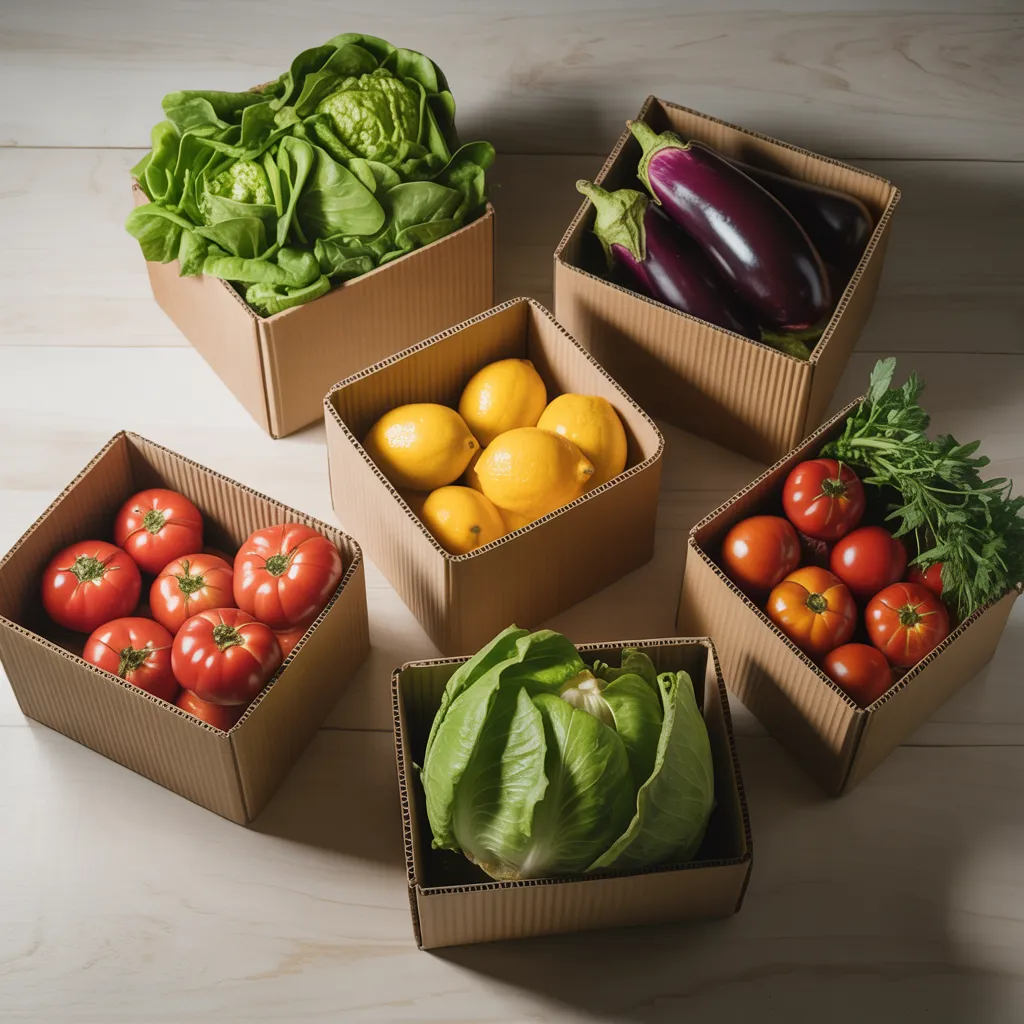
Handling and transport considerations play a significant role in determining the appropriate size and shape of custom produce boxes. The dimensions should accommodate the produce without surplus room, this would lead to shifting and damage during transit. Smaller, compact boxes facilitate more straightforward handling, whereas larger boxes could become vital for bulkier goods. Moreover, proper ergonomics proves critical; grip areas and access ports should be positioned deliberately situated so as to allow for pleasant hoisting and carrying. The shape of the packaging likewise affects nesting and stability, confirming where products keep protected. In conclusion, thoughtful review pertaining to such considerations boosts the efficiency in transport, minimizes goods loss, and preserves the overall integrity of the agricultural goods from orchard reaching purchaser.
Maximize Display Space Efficiency
Optimal shelving management is determined by selecting the ideal measurements and configuration of bespoke produce boxes. Professionals should examine the proportions of the shelving units as well as the types of produce being stored. Rectangular boxes often promote efficient use of space, supporting for better arrangement and fitting. Yet, varied forms can amplify attractive appearance but may generate unutilized areas if not appropriately mapped out.
It's critical to scrutinize the merchandise movement rate; slow-turning items might benefit from smaller, conveniently accessible containers. Furthermore, introducing flexible or customizable structures can accommodate varying product dimensions while optimizing shelf layout. By centering on aesthetic and functional qualities, retailers can establish a practical and aesthetically pleasing presentation that boosts both ease of access and promotional impact.
How to Design Graphics That Capture Attention?
Striking graphics can turn a simple custom produce box into a artistic creation that grabs focus. To accomplish this, artists should begin by picking a color palette that reflects the freshness and liveliness of the produce. Bold, attention-grabbing colors can trigger feelings of freshness and health, driving consumers to take a closer look.
Strong typefaces remains crucial; readable typefaces can adeptly convey essential information while amplifying visual appeal. Additionally, using excellent images of the products can establish instant connection, revealing the item's worth and enticing potential buyers.
In addition, integrating unique patterns or illustrations can assist in distinguishing the brand in a saturated market. Consistency in design elements, such as logos and taglines, reinforces brand identity. Ultimately, a mixture of artistic vision and straightforwardness in graphic design can substantially improve the influence of custom produce boxes, helping them become distinctive on shelves.
Sustainable Practices for Custom Produce Box Protective Covering
An increasing quantity of businesses are adopting eco-friendly practices for custom produce box packaging, recognizing its significance in today's environmentally conscious market. These approaches often encompass the use of decomposable materials, such as recycled paper and plant-based plastics, which minimize environmental impact. Companies are also focusing on get the full story sustainable sourcing, ensuring that materials are obtained from responsibly managed forests or suppliers who emphasize environmental stewardship.
In turn, numerous brands are choosing minimalistic formats that reduce waste while still efficiently displaying their products. This approach not only appeals to environmentally aware consumers but also assists with lowering production costs. Moreover, businesses are increasingly adopting effective manufacturing processes that limit energy consumption and waste generation. By implementing these green practices, companies not only improve their brand image but also contribute positively to the planet, positioning their operations with a sustainable future.
Validate Your Made-to-Order Produce Box Design
Evaluating the design of tailored packaging containers is a key step in ensuring they satisfy both aesthetic and functional criteria. This process commonly involves examining factors including toughness, size, and usability. First, trial models must be constructed to assess the container's structural integrity, confirming it is able to resist transportation and storage without weakening the goods.
Following this, usability assessments can be carried out to evaluate how readily the boxes can be unfastened, closed, and layered. Suggestions from target consumers can be invaluable in this period, sharing knowledge of the box's usefulness.
Moreover, the design's visual appeal should be assessed through focus groups or surveys, determining customer feedback to brand identity elements, hues, and complete visual presentation.
In the end, comprehensive evaluation enables designers to improve the box, ensuring it not only attracts customers but also effectively safeguards and displays the produce within, achieving the right balance between form and function.
Advertising Your Custom Produce Boxes Effectively
Impactful marketing of personalized vegetable containers demands a well-planned strategy that emphasizes their distinctive advantages and value. Companies must concentrate on identifying their intended customers, such as local farms, grocery stores, or individual consumers. Capitalizing on social networking sites can amplify market visibility, showcasing the boxes' appearance and functionality through engaging visuals and storytelling.
Moreover, partnering with community figures and agricultural experts can enhance trustworthiness and broaden audience. Providing special deals or reduced prices during peak seasons can attract initial buyers and promote ongoing purchases.
Additionally, highlighting environmental responsibility and green practices in marketing materials can appeal to eco-aware buyers. Offering comprehensive details about material composition and the advantages of custom packaging can better distinguish the offering in a crowded marketplace.
In the end, a extensive promotional approach that blends digital and grassroots undertakings will effectively promote custom produce boxes, appealing to a wide-ranging clientele and driving sales.
Regularly Asked Inquiries
What Charges Accompany Custom Produce Box Planning?
Expenses involved in custom produce box design cover materials, printing services, labor costs, and shipping. Furthermore, design services and order minimums can influence total expenses, causing fluctuating prices based on particular specifications and scale of production.
How Much time Does Production of Bespoke Boxes Take?
Production of tailored boxes generally requires two to six weeks. Key factors shaping this schedule involve design complexity, sourcing of materials, and production capacity, all of which may affect delivery schedules and delivery windows.
Is it Possible to Buy a Modest Quantity of Tailored Produce Boxes?
Yes, modest quantities of made-to-order produce boxes can generally be ordered. Many suppliers provide minimum order quantities, making it possible for firms or consumers to get customized packaging solutions without having to commit to large quantities initially.
What Common Mistakes Should You Avoid When Creating Custom Boxes?
Common pitfalls in custom box design feature failing to address functionality, disregarding brand consistency, underestimating material quality, failing to consider target audience preferences, and overlooking environmental impact. Each aspect is essential for quality packaging and customer satisfaction.
How Can I Confirm My Boxes Are Safe for Food?
To ensure boxes are food-safe, one must select materials certified for food contact, avoid harmful inks and adhesives, maintain cleanliness during production, and frequently check for compliance with health regulations and safety standards.